English

Microcontrollers Types and Applications in Embedded Systems
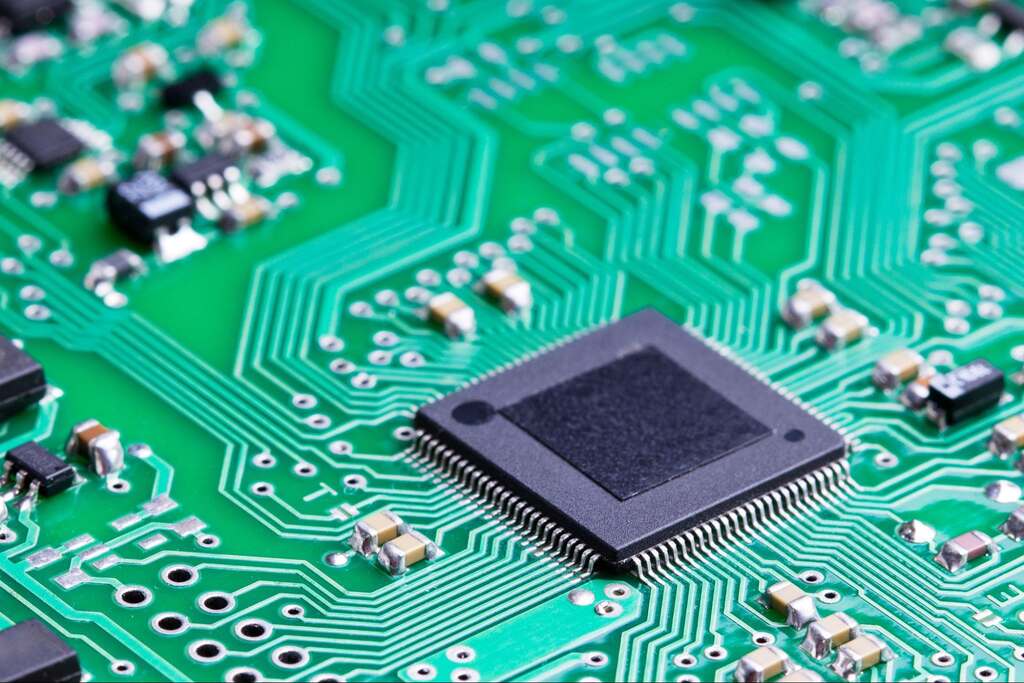 Microcontrollers are at the core of modern embedded systems.
From industrial control panels and medical devices to smart appliances, energy meters, automotive electronics, and human-machine interfaces, they enable products to sense, process, communicate, and respond in real time.
For engineers, OEMs, and product teams, choosing the right microcontroller is a critical step in building reliable, cost-effective, and scalable electronic devices.
The right MCU can simplify system architecture, reduce power consumption, improve performance, and accelerate development.
Microcontrollers are at the core of modern embedded systems.
From industrial control panels and medical devices to smart appliances, energy meters, automotive electronics, and human-machine interfaces, they enable products to sense, process, communicate, and respond in real time.
For engineers, OEMs, and product teams, choosing the right microcontroller is a critical step in building reliable, cost-effective, and scalable electronic devices.
The right MCU can simplify system architecture, reduce power consumption, improve performance, and accelerate development.
What are Microcontrollers?
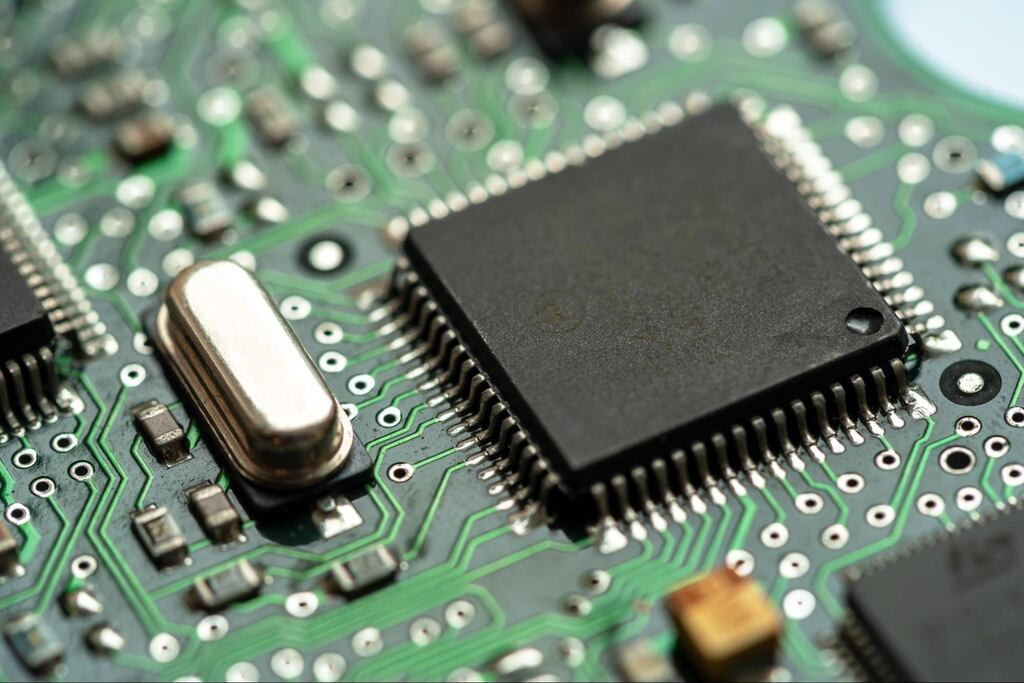
A microcontroller, often called an MCU, is a compact integrated circuit designed to control specific functions inside an electronic system. Unlike a general-purpose processor used in computers, a microcontroller is built to perform dedicated tasks with predictable behavior, low power consumption, and efficient hardware integration. A typical microcontroller combines a processor core, memory, input/output peripherals, timers, communication interfaces, and analog or digital control functions in a single chip. This makes it ideal for embedded systems where space, cost, reliability, and real-time operation matter. Microcontrollers are commonly used to read sensor data, control motors, manage user inputs, drive displays, communicate with other devices, and execute programmed logic inside a larger product. Read also: TFT vs LCD: what they are, differences and which one to chooseHow Microcontrollers Work in Embedded Architectures
In an embedded architecture, the microcontroller acts as the control center of the system. It receives information from sensors, buttons, communication modules, or external devices, processes that information according to its firmware, and sends commands to actuators, displays, relays, motors, LEDs, or other electronic components. A typical embedded system may include:- Sensors that collect physical data such as temperature, pressure, motion, voltage, or current.
- A microcontroller that processes the data and executes control logic.
- Communication interfaces such as UART, SPI, I²C, CAN, RS485, Ethernet, Bluetooth, or Wi-Fi.
- Output components such as motors, valves, alarms, displays, or touch panels.
- Power management circuits to ensure stable and efficient operation.
Main Types of Microcontrollers Used in Industrial and Commercial Projects
Microcontrollers can be classified in different ways depending on their architecture, performance, memory, power requirements, and application environment. 8-bit microcontrollers are commonly used in simple control applications where low cost, low power consumption, and basic functionality are enough. They are often found in small appliances, sensors, simple automation devices, and low-complexity embedded products. 16-bit microcontrollers offer more processing capability while still maintaining efficient power usage. They are often used in motor control, measurement devices, industrial controllers, and applications that require better performance than 8-bit MCUs without the complexity of higher-end processors. 32-bit microcontrollers are widely used in modern embedded systems that require higher processing speed, advanced peripherals, communication stacks, graphics support, or real-time performance. They are common in medical devices, industrial automation, smart home products, automotive electronics, and advanced HMI applications. Low-power microcontrollers are designed for battery-powered or energy-sensitive devices. They are ideal for wearables, remote sensors, IoT nodes, portable medical devices, and smart meters. Wireless microcontrollers integrate communication capabilities such as Bluetooth, Wi-Fi, Zigbee, or other wireless protocols. They are used in IoT products, connected appliances, access control systems, and smart building solutions. Automotive and industrial-grade microcontrollers are designed to operate in demanding environments where temperature range, reliability, long product life cycles, and safety requirements are essential.Key Applications of Microcontrollers Across Industries
Microcontrollers are used across almost every industry that depends on electronic control, automation, sensing, or user interaction.In industrial automation, microcontrollers manage control panels, PLC-related systems, motor drives, monitoring devices, smart sensors, and machine interfaces. They help equipment operate with precision, reliability, and real-time response.
In medical devices, MCUs are used in diagnostic equipment, patient monitoring systems, infusion pumps, portable instruments, and control interfaces. These applications require stable performance, accurate data processing, and dependable user interaction.
In smart home and building automation, microcontrollers control lighting systems, HVAC equipment, security devices, access control panels, thermostats, smart switches, and connected appliances.
In automotive electronics, MCUs support dashboard controls, battery management, lighting systems, infotainment interfaces, sensors, and body control modules.
Energy Management Sys
In energy and metering systems, microcontrollers are used in smart meters, solar inverters, power monitoring devices, battery systems, and energy management equipment.
In consumer and commercial products, they power appliances, payment terminals, vending machines, POS systems, fitness equipment, and touchscreen control panels.
Across all these applications, microcontrollers often need to communicate with a user interface. This is where embedded display modules, such as UART TFT LCD modules, can simplify GUI development and improve the final product experience.
Read also: Custom TFT display: Why and how to customizeHow to Choose the Right Microcontroller for Your Project Requirements
Choosing the right microcontroller starts with understanding the technical and commercial requirements of your product. The best option is not always the most powerful MCU. It is the one that provides the right balance between performance, cost, power consumption, available peripherals, development complexity, and long-term availability. Start by evaluating the processing requirements. A simple sensor controller may only need an 8-bit or low-power MCU, while an industrial interface, connected medical device, or advanced control system may require a 32-bit architecture. Next, consider memory. The microcontroller must have enough flash memory for firmware and enough RAM for runtime operations, communication buffers, data handling, and interface logic. Communication interfaces are also essential. Check whether your system requires UART, SPI, I²C, USB, CAN, Ethernet, RS485, or wireless connectivity. For projects that include a display or HMI, UART communication can be a practical and efficient option, especially when paired with a smart TFT LCD module. Power consumption should be reviewed early, especially for battery-powered, portable, or always-on devices. Low-power modes, wake-up behavior, and peripheral efficiency can significantly affect the final product. Environmental conditions also matter. Industrial, medical, automotive, and outdoor applications may require extended temperature ranges, strong EMC performance, and stable operation over long product life cycles. Finally, review the development ecosystem. Documentation, software libraries, debugging tools, community support, sample code, and integration with display modules or other components can reduce engineering time and lower project risk. For products that require a professional graphical interface, the microcontroller should be selected together with the display architecture. Using a UART TFT LCD module can help reduce the MCU’s graphics workload and make the overall system easier to develop, test, and maintain.Need a reliable display solution for your microcontroller-based project?
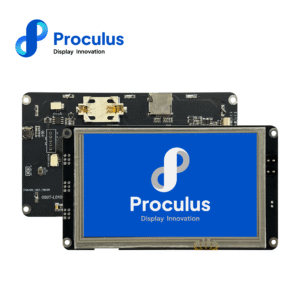
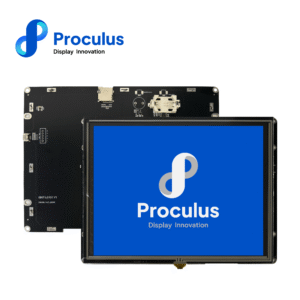
Proculus UART TFT LCD Modules help embedded teams build professional touch interfaces faster, with simple UART communication, flexible display options, and visual GUI development software. Explore Proculus UART TFT LCD Modules and simplify the way your next embedded system communicates with users!Frequently Asked Questions about Microcontrollers (FAQ)
 Here are fast and objective answers to common questions about microcontrollers and their role in embedded systems: